

Pansies were developed in England in the early 1800s. One Lady Mary Bennet, the daughter of the Earl of Tankerville made a heart-shaped flower bed in her garden at Walton-On-Thames, Surrey England, about the year 1812. She collected wild specimens of Vila tricolor, known as “heartsease” and planted them together in the bed. Her gardener, a Mr. Richardson, began saving seed. The resulting plants attracted attention and soon Mr. Thompson, gardener to Lord Gambier began growing and selecting seed from both Viola tricolor and Viola lutea, another species native to Britain. In 1830 Mr. Thompson discovered a seedling that had a small patch of color in the center of the bloom. This is what gives the pansy a “face”. Pansies as we know them today descend from this color breakthrough.
In nineteenth century England and Scotland enthusiastic garden hobbyists grew and developed several types of flowers, among them primroses, carnations, tulips and ranunculuses. These very serious folk were known as “florists”. They grew their own plants, traded and purchased choice cultivars and raised new plants for show from seed. The flowers of each type of plant were required to conform to a set of rules for exhibition. Outstanding varieties were named, exhibited and often propagated by cuttings and by 1835 more than 400 named varieties of pansy had been created.
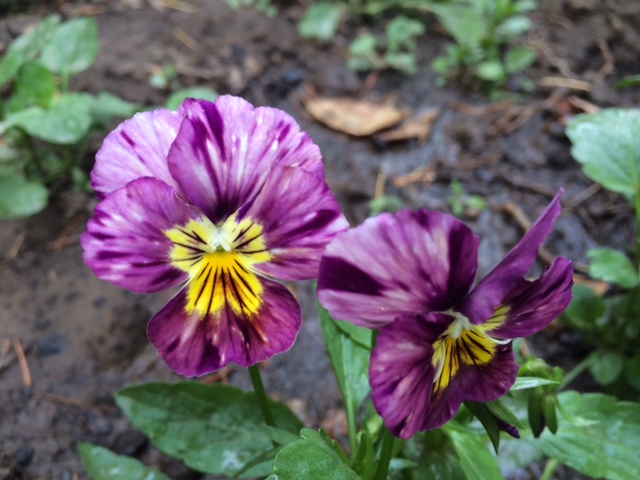
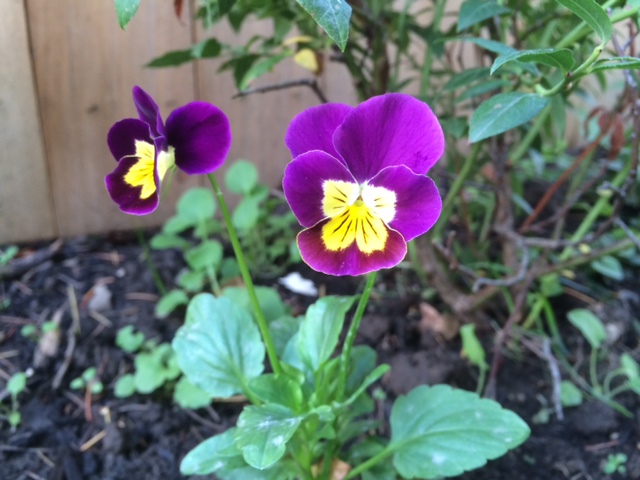
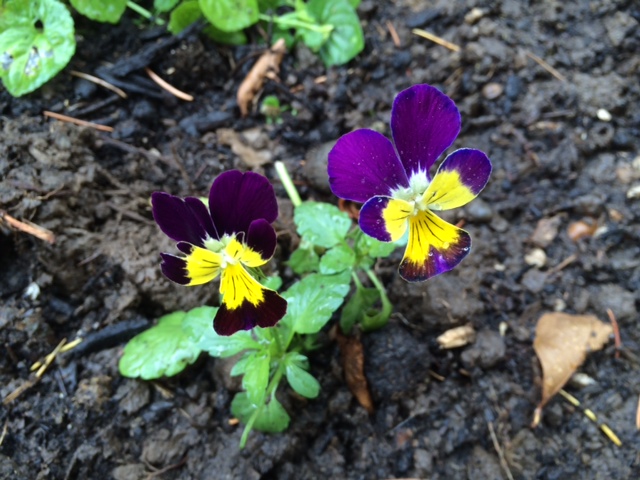
Pansies are short-lived perennials and very few of the old show varieties are in existence today. Today most pansies are grown from seed. The photographs above are of plants I grew from an English seed mix developed from the few remaining florist pansies left in existence. Their flowers are larger than those of Viola tricolor, but smaller than modern pansies.
Pansies enjoy cool weather and thrive in climates with cool summers. I have grown them in the cold climate of Montana, the coastal climate of Washington state and in the winter in the desert at Palm Springs. Their culture is the same as for Viola tricolor. Seeds of the old strains of pansy can be sown in winter inside for summer flowers, or sown in fall to flower in early spring until it gets too hot.

 heirloomgardenerdotnet