SOIL PH FOR GROWING VEGETABLES

Standard

FullSizeRender


Soil pH is a measure of acidity or alkalinity.  This measurement can range from a very low pH of 1.0 to an extremely high pH of 14.0.  7.0 is considered neutral and several vegetables will thrive in soil with a neutral pH.  Some vegetables do prefer a more acidic soil while others prefer a more alkaline soil.  Fortunately most will grow and produce well in a pH range of 5.5 to 7.5.   Areas with high rainfall, such as coastal Washington, tend to have acidic soils high in organic matter, while areas with lower rainfall, such as most of the mountain valleys in Montana, tend to have alkaline soils low in organic matter.  Here in the valleys of the Flathead region, where most of us garden, soils tend to be somewhat to highly alkaline.

Before you amend your existing soil to plant vegetables it is a good idea to test the pH.  An easy way is to purchase a test kit.  Most of them are easy to use and give fairly accurate readings.  Your county extension agent can do a soil test also.  Once you have determined your soil pH and which crops you intend to grow, you can amend your garden soil.  Adding lime will increase pH and make acidic soils more alkaline; adding sulfur will lower pH and make soils more acidic.  Organic matter usually helps reduce alkalinity.  Aged manure, pine needles, compost and coir dust are a few amendments that will help do this while they improve soil structure and encourage beneficial soil micro-organisms.  If your garden is divided into separate beds or raised beds, it is easier to adjust the soil in each bed for what you plan to grow.   I rotate my vegetable crops in a four-year rotation plan, so I try to keep a basic soil pH around 6.0 to 6.5.  This way I can grow almost every vegetable, but I slightly adjust pH each year before growing a particular plant.  For example, I add sulfur before growing potatoes.  Conversely, I add a small amount of lime before planting any of the Brassica family (Broccoli, Brussels sprouts, cauliflower, etc.).   Having soil pH correct for each crop will reduce pest and disease problems as well as increase yields.

Here is a listing of pH tolerance ranges for specific vegetables.  (The optimum pH for each is usually the median between the two extremes.)  I have listed vegetables preferring more acidic soils first and those preferring more alkaline soils last:

Potatoes, 4.5-6.0; sweet potatoes, 5.6-6.5; horseradish and rhubarb, 5.5-6.8; butternut squash, carrots, corn, eggplant, lettuce, peanuts, peppers, pumpkins and watermelon, 5.5-7.0; cucumbers, garlic, winter squash, and tomatoes, 5.5-7.5;  celery, 5.9-6.9; soybeans and strawberries, 6.0-6.8; onions, radishes, shallots and spinach, 6.0-7.0; beets, any of the Brassica family, peas, summer squash, Swiss chard, and zucchini, 6.0-7.5; okra, 6.0-8.0.

 

A GARDEN FOR HUMMINGBIRDS

Standard

photo (21) photo (36) photo (103)


Hummingbirds are native to the Americas.  The ones we see here in Montana migrate every season from Mexico and Central America.  All species of hummingbirds need to eat often, in fact they consume 100% to 200% of their body weight each day, eating bugs and drinking flower nectar.  To attract these beautiful birds we can plant species of flowers, trees and shrubs they prefer as nectar sources.  A hummingbird garden can be high or low maintenance, depending on your design choice.

In planning a garden for hummingbirds, you might want to place the garden where you can see it and enjoy the color and activity.  A garden in sun has many choices of plant material, but several nectar-bearing plants grow in shade; so you should be able to make this kind of a garden almost anywhere.  Even a containerized garden will attract hummingbirds.  Wild, or native plants are always a good choice, as they tend to hold the most nectar.

A bird bath or a water mister is important for hummingbirds, for drinking and bathing.  Be sure to empty and replace the water in a bird feeder at least every other day to prevent bacterial growth and the development of mosquito larvae.

A feeder will provide a nectar source during periods of little or no bloom.  The recommended recipe for nectar is 25% white sugar to 75% water.  Food coloring is not needed, and do not use raw or brown sugar as it contains iron, which can be harmful to hummingbirds if consumed in steady and frequent quantities.   Hummingbirds leave and travel south when day length shortens, so you do not have to worry about when to stop feeding them.

If trees are in or near your garden they will provide nesting sites, and shrubs provide cover.  Trees may also provide nesting materials, such as lichen and spider webs.  Two kinds of trees hummingbirds use for nesting and nesting materials are willows and tall conifers.  Blooming fruit trees are an excellent nectar source, too.  Nectar-rich vines include Campsis radicans (trumpet vine), Convovulus (morning glory) and Lonicera (honeysuckle).

Hummingbirds prefer red, orange, or yellow flowers with a tubular shape, such as honeysuckle blooms, one of their favorites.  Some shrubs we can grow in Western Montana that provide nectar are Syringa (lilac), Buddleia (butterfly bush), Lavandula (lavender), and Weigela.

Native perennials that offer nectar include: Aquilegia (columbine), Asclepias tuberosa (butterfly weed), Aster, Clarkia, Liatris, Lupinus (lupine), Heuchera (coral bells), Monarda (bee balm), Penstemon, Phlox and Salvia.

There are several other, introduced perennials that attract hummingbirds: Alcea rosea (hollyhock), Delphinium, Dianthus (carnations and pinks), Digitalis (foxglove), Hemerocallis (daylily), Paeonia (peony) and Veronica. 

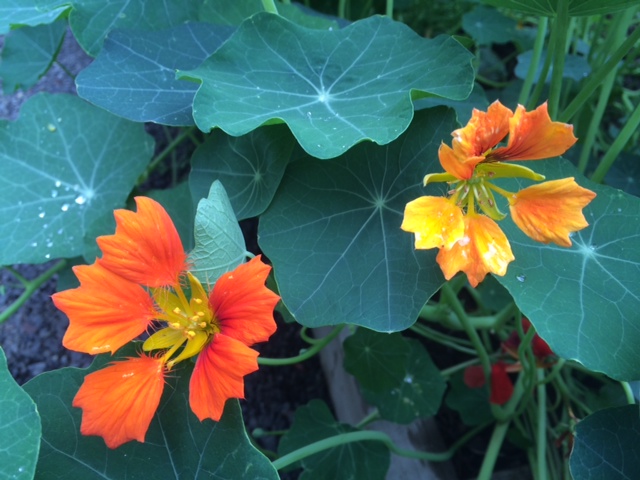
Annual flowers give the summer-long bloom we want to attract hummingbirds.  Some of their favorites are: Calabrachoa, Cleome, Cosmos, Impatiens, Nasturtium, Nicotiana (flowering tobacco), Petunias and Zinnias. 


GROWING VEGETABLES IN CONTAINERS

Standard

IMG_0677 IMG_0678

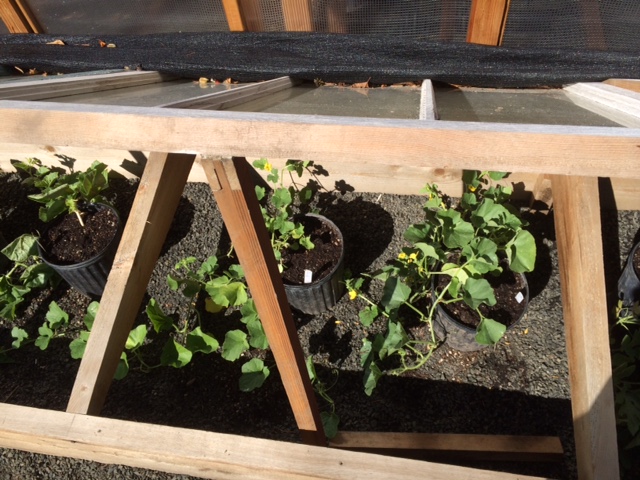
My pictures show heirloom French cantaloupe ‘Prescott Fond Blanc’ and ‘Ananas D’Amerique a Chair Vert’.  The containers were too small to mature the fruit, so I repotted them into much larger 24″ by 24″ pots.  The frame helped ripen the fruit in the climate of cool western Oregon. 

Raising vegetables in containers is an excellent option for those of us who are living in a dwelling temporarily, are short of space, or have poor soil.  Containers are useful and versatile; pots can be moved around if a location is too hot, windy or shady.  Plants that enjoy heat, such as melons, squash, peppers, tomatoes and eggplant can be placed in front of a warm south or west wall to ripen faster.  Also, if spring cold weather threatens, pots may be moved inside overnight, or even a few days for protection.  The same advantage applies to the fall season; if weather turns cold and your crop is not yet ripe you can bring pots inside.    

Containers for vegetables should be at least 12 inches by 12 inches for a single tomato or eggplant, but much larger containers are needed for melons, squash and pumpkins—at least 24 inches by 24 inches for each plant.  Smaller crops, such as carrots, beets, broccoli, cabbage, Swiss chard, spinach, lettuce, etc. need a container at least 10 inches deep, and yields are better if the pots are 24 to 36 inches wide.  For peas and beans, some gardeners have good success with containers shaped like long rectangles, perhaps 12 inches wide by 48 inches long and 10 or more inches deep.   It is easier to move your containers around if you have them on rollers.  And if you build your own containers, use non-treated water-resistant wood such as cedar, redwood or cypress.  The new fabric containers are useful, reusable and inexpensive, but cannot be moved during the season. 

The soil mix for vegetables should be rich, moisture-retentive, but quick draining.  Plant roots need air to thrive.  I use a mix of two parts organic potting soil, one part rotted manure or compost, and one part perlite or sharp sand.  Consistent, frequent applications of manure tea, liquid seaweed or a complete organic fertilizer will keep your vegetables growing well. 

Watering is very important when growing in containers.  Check plants every day all season long.  If weather is hot and the plants are large, you might have to water two or three times a day.  Automatic drip watering systems are an option if you will be away for a few days. 

When planting seeds, follow directions on the package and read about how to care for each vegetable.  “Patio”, “bush” or dwarf varieties of vegetables are good choices for containers.  They tend to be compact, productive plants with normal size or slightly smaller fruit.  Vegetable seeds that can be planted now (July) include: lettuce, spinach, peas, radishes, carrots, corn salad, and Swiss chard.  Plant starts of cabbage, cauliflower, broccoli and kale can be planted now for late fall harvest.  Starts of tender vegetables that can be planted in containers now include: tomatoes, squash, pumpkins, cantaloupe, watermelon, eggplant and peppers.

SOME HARDY FLOWERING SHRUBS

Standard

IMG_2810 (1) IMG_2822 IMG_2830IMG_2920

SOME HEIRLOOM AND NEWER HARDY SHRUBS

I wish I had more pictures to illustrate this article; but I include a few of hardy shrub roses.  All the shrubs described here grow well with organic gardening practices.

Flowering shrubs brighten our home gardens.  They bring beauty and fragrance while providing cover and nesting places for birds.  Listed below are a few shrubs well-adapted to the cold climates of Montana, Idaho, Wyoming and Colorado.  Some of the plants described will grow in the northern prairie states.

Lilacs, especially the common and French lilac hybrids (Syringa vulgaris) appreciate our climate.  The flowers of common lilacs are soft, pale purple.  The bushes are tall, up to 20 feet when aged.  Once established, lilacs can really take care of themselves, tolerating cold winters and dry summers without care.  They flower more heavily if old bloom spikes are trimmed off, and plants are fertilized in the fall with bone meal, wood ashes and a light dusting of compost or manure.  Lilacs make a great hedge and deer tend to leave them alone, as the leaves have a bitter taste.

Shrub roses are terrific, hardy plants for our area.  The relatively new Canadian hybrid shrub roses are excellent.  Two Canadian-bred climbers, growing 10 to 12 feet, are ‘Henry Kelsey; with double red flowers; and ‘Champlain’ with bright pink flowers.  Both of these will not winter kill here and are hardy to USDA zone 3, so can be grown all over Montana.  Another repeat-blooming Canadian rose, growing 3 to 4 feet tall is ‘John Davis’, with double red blooms.  It makes a good bedding rose and is hardy to zone 4.  ‘John Davis’ would not require protection in Western Montana.

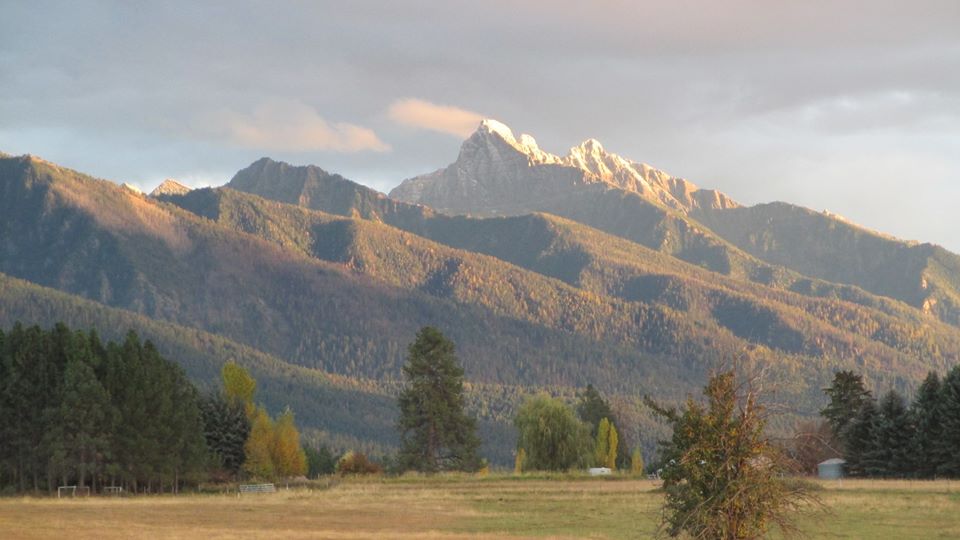
Some heirloom roses that do well in cold climates are described here:  ‘Suzanne’ a hardy rose from the 1930s, shown in the first two pictures above.  ‘Suzanne’ blooms in late spring with a wonderful display of color.   The plant is hardy to USDA zone 2.  Two other old roses frequently seen in the dry Western States are ‘Harison’s Yellow’ from the 1830s and “Austrian Copper’ (Rosa foetida bicolor).  Both are winter hardy to zone 4, bloom in late spring and are drought tolerant once established.  One occasionally sees other related roses, such as white Pimpinellifolia roses.  The third picture above was taken in a roadside garden of a farm house on the foothills of the Mission Mountains in Western Montana, USDA zone 4.  The plant was covered with flowers in late May-early June.  Pimpinellifolia roses  are very hardy, their ancestors originated in northern Scotland.  If you grow any of these once-blooming, drought tolerant, hardy shrub roses remember to place them in full sun and water well until established.

Our beautiful, ubiquitous wild rose, (Rosa woodsii) is shown in the last picture.  It makes a broad, suckering shrub useful for the edges of your garden.  It is drought and cold tolerant, but blooms only once a year, in mid spring.  Plants are sun-loving, but tolerate shade well, where they will grow taller.  Their foliage is healthy and the fragrance of the flowers is delightful.  The only other rose with a similar fragrance is the true ‘American Beauty’ a very rare hybrid perpetual rose.  I grew it once, and when cuttings were taken they failed to strike.  ‘American Beauty’ has infrastipular prickles, little thorns below the leave stipules, just like Rosa woodsii, which makes me surmise that ‘American Beauty’ may be descended in part from Rosa woodsii.  Keep in mind that roses often sold as ‘American Beauty’ are usually ‘Ulrich Brunner Fils’, a similar hybrid perpetual with no infrastipular prickles.

Silver Buffalo Berry (Sheperdia argentea) is a tough, drought tolerant native shrub growing 6 to 12 feet tall and wide.  It can spread by suckers, so give it room.  This sun-loving shrub is a good food plant for wildlife, providing red berries and protective cover for birds.  Buffalo Berry makes a sturdy hedge or windbreak requiring no care once established.  It is also very winter hardy, to USDA zone 2.

The shrubby Potentillas (Potentilla species) are drought tolerant, colorful shrubs frequently seen in public landscapes.  They are hardy native shrubs, growing 3 to 4 feet tall, available in several colors.  Potentillas tolerate drought and heat, but best of all, bloom all summer.  Full sun is best for them.  It is easy to shape your plants in the fall, trimming off the oldest stems.

Two native shrubs that prefer moisture and part shade are mock orange (Philadelphus lewisii) and Rocky Mountain maple (Acer glabrum).  Mock orange grows 8 to10 feet tall and produces deliciously scented flowers in late spring.  Rocky Mountain maple is a beautiful, small maple growing 6 to 10 feet tall, with dark red wood and golden fall color.  Both of these plants could be placed on the north side of a building where their roots would be in shade and tops in sun.  Be sure to leave 3 to 4 feet or more between the shrubs and the building.


GROWING HEIRLOOM TOMATOES

Standard

FullSizeRender (11) FullSizeRender (6)


Tomatoes are native to the Andes Mountain region, a region of varied climates.  The kind of tomatoes most frequently grown in our gardens are botanically classified as Lycopersicon esculentum.   Tomatoes are easy to grow in Western Montana if given the right conditions in the garden.  The site should be sunny and protected from wind, but with some airflow.  If grown in too close or crowded conditions tomatoes can succumb to disease.  Fortunately, in our area, the air is usually pretty dry, meaning humidity is usually low (when the sun is out).  Good soil is important.  I amend my existing soil with manure, bone meal or rock phosphate, alfalfa meal or wood ashes and greensand.  A good, dark compost will enrich your soil, feed the tomatoes and retain moisture.  If you prepare your soil well, as organic gardeners do, you will not have to feed them at all the rest of the season.  Tomatoes prefer even moisture; if given too little water they will produce fewer and smaller fruit.  If given too much water all at once, especially when the soil has dried out, the fruit often crack and split.  An even, slow watering is best, so the moisture goes deep into the soil.  Leaf roll, blossom-end rot and cracked fruit can be prevented by careful, even watering—aim for moist soil always, not wet or dry.

Tomatoes are naturally a vining plant, though they have been selected over the centuries to be shorter and bushier.  This is especially true of more recent seed strains.  Many of the oldest heirloom tomatoes are tall plants that require support in the form of a tomato cage or wooden frame, or a trellis.  One example of a tall heirloom tomato is ‘Purple Cherokee’, which grows over six feet tall!  It is important to keep the fruit of the ground and leave space around your plants.  This will help prevent disease.  It is best to water tomatoes in the morning and avoid wetting foliage in the evening.  This will reduce or prevent late blight (spots on leaves and fruit).  Other diseases include: powdery mildew, verticillium wilt, and fusarium wilt.   If you suspect disease, your county extension agent or other specialist can help you diagnose these problems and recommend remedies.  This is important in our region, to protect our potato industry.  Potatoes are related to tomatoes and subject to many of the same diseases.  Sulfur and copper fungicides are two available OMRI listed, certified organic disease controls.

Deer are a primary pest in our gardens; gophers and voles are quite damaging, too.  A tall (seven foot) fence helps prevent deer, and hardware cloth under a raised bed is a good way to prevent gophers and voles.

One more issue to watch is proper pollination of your tomatoes.  Fruit will not set well if daily high temperatures do not reach 55 degrees; conversely, fruit will not set if temperatures are over 100 degrees.  Historically, we have had troubles setting fruit with our cold days and nights, but nowadays with warming temperatures, the daily high temperatures might become an issue.

Here is a list of some wonderful open-pollinated heirloom tomatoes that do not have too late a season for Western Montana:

‘Glacier’ (55 days) is a dwarf, bushy variety with potato-like leaves.  The fruit are 2” to 3” and red to orange.  ‘Glacier’ produces well in cool climates and has excellent flavor for an early tomato.  No pruning or staking is needed for this variety.

‘Bison’ (65 days) was developed in North Dakota in 1937.  It is another dwarf variety that sets 3” deep red tomatoes even in cool weather.  ‘Bison’ can produce as much as 40 pounds of tomatoes from one plant.  This variety requires no staking or pruning.

‘Persimmon’ is an orange, persimmon-colored tomato that originated in Massachusetts in the mid-1800s.  It is rare today and reasonably early, (75 to 80 days).  The flavor is very good, low-acid; the fruit reaches about one pound.  This is a great tomato for salsa!

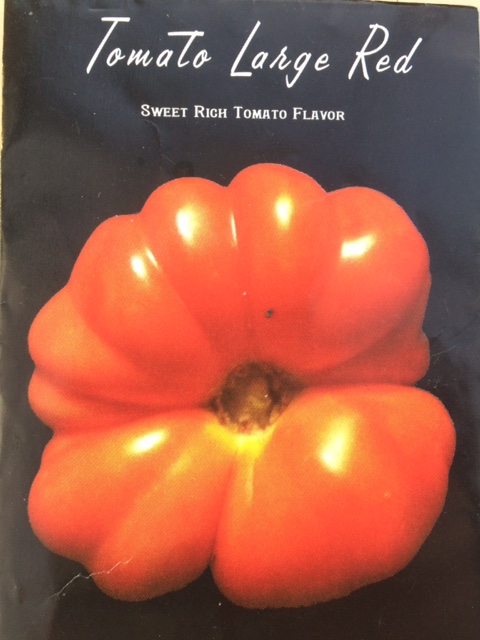
‘Large Red’ (80 days) is one of the oldest and rarest tomatoes.  It originated in Massachusetts, in the 1820s, and was grown by the Shakers.  Pioneers brought is west on the Oregon Trail.  It is a tall plant with convoluted red fruit resembling the pumpkin that became Cinderella’s coach.  12 oz. fruit is common, as it is a beefsteak-type.  ‘Large Red’ has a sweet and rich flavor.

‘White Shah’ (80 days) is an heirloom from the 1880s; a very mild, flavorful, white tomato.  The fruit are quite large, 8-12 ounces, and the plants have potato-like leaves.  ‘White Shah’ was the healthiest tomato I grew last year, and one of the best for flavor.

‘Pink Brandywine’ (80 days) is another tall plant, potato-leaved, with delicious, pink fruit.  It is the most popular heirloom for flavor, though the plants are more disease-prone than most tomatoes.  Good culture should prevent or minimize these problems.  ‘Pink Brandywine’ is one of the best for tomato sauce.

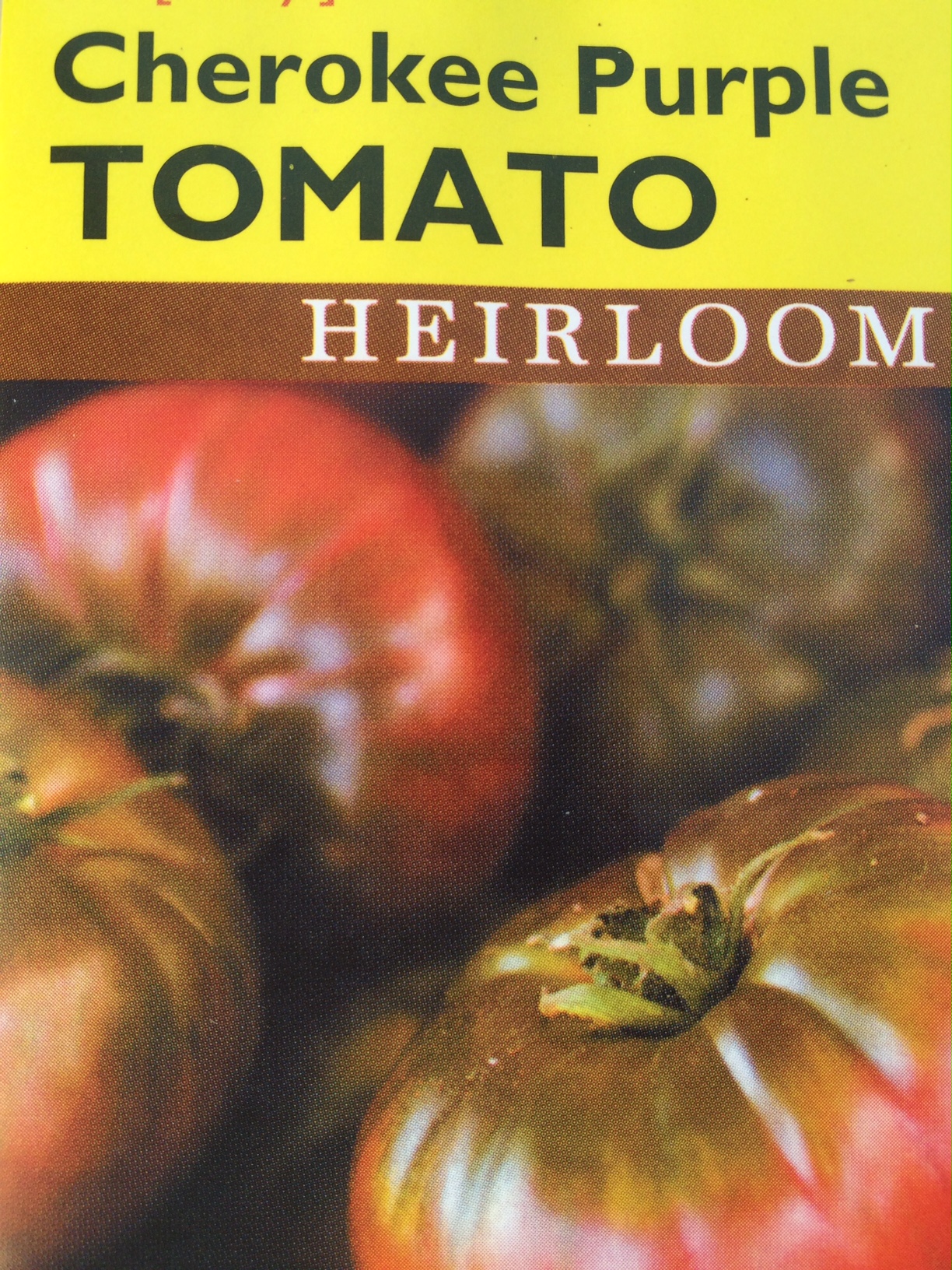
‘Cherokee Purple’ (80 days) originated with the Cherokee people and was brought west to Oklahoma on the Trail of Tears.  The plant is very tall—six to seven feet!  Staking and/or caging is necessary.  The fruit are large, flavor is among the very best, and fruit sets fairly early.  Prepare your soil well, as this variety is not usually as productive as some.


Moving the Heirloom Garden to Montana

Standard

FullSizeRender (2) IMG_2404 IMG_2433 IMG_2545 (1)

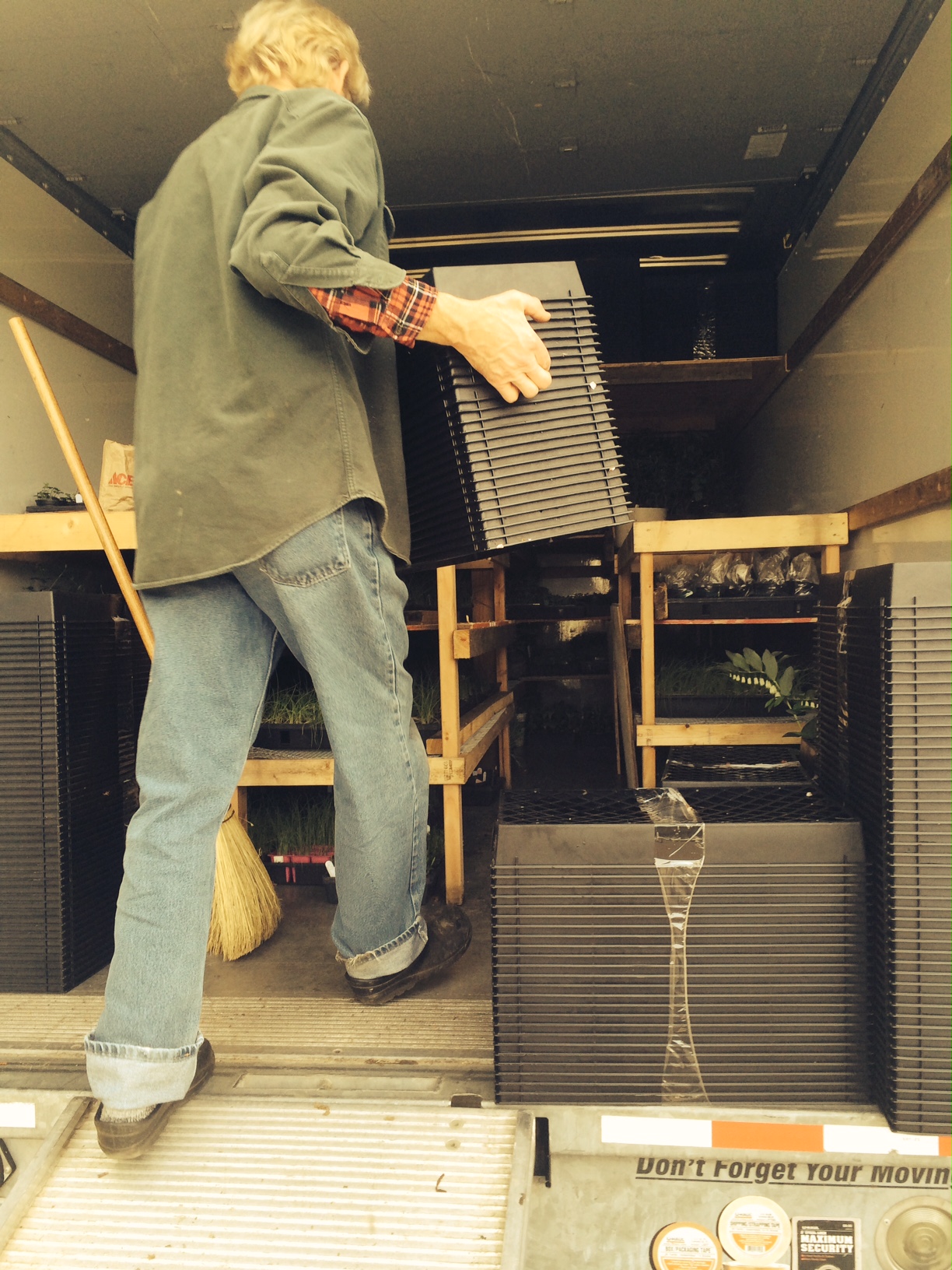
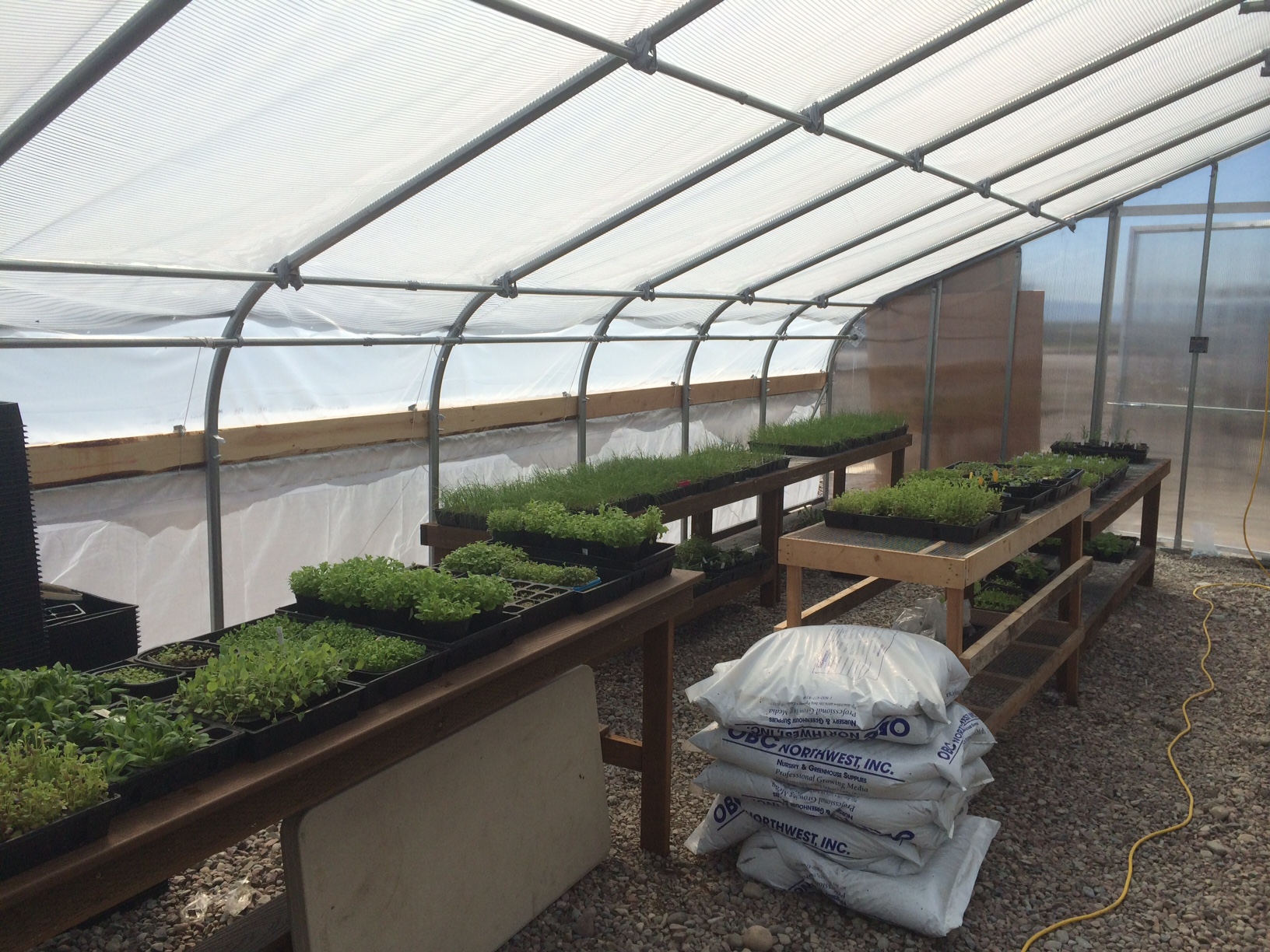
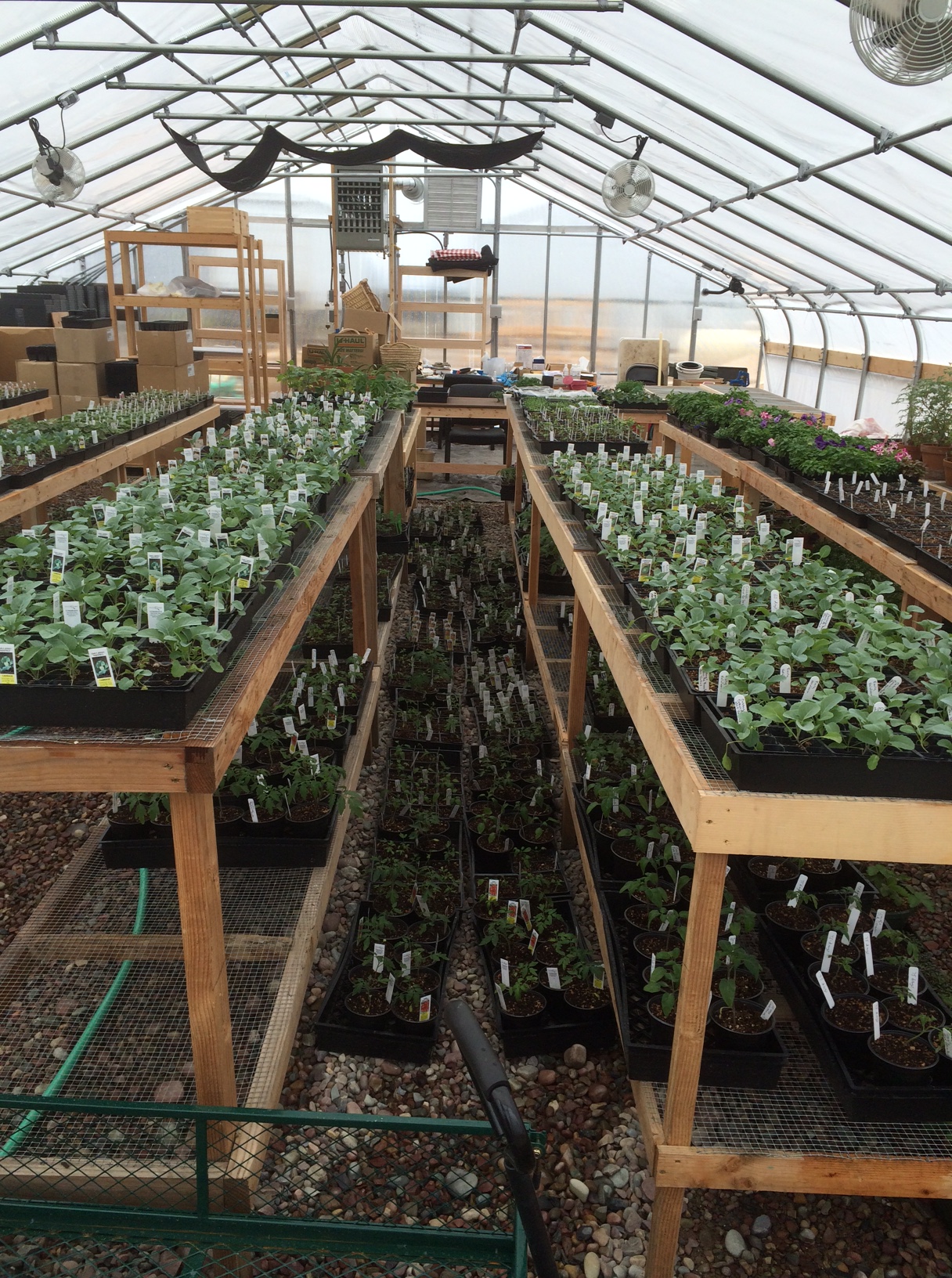
Hello everyone!  I have been moving our garden of heirloom plants to Ronan, Montana, where I will be joining the staff at Westland Seed, Inc. as greenhouse/nursery manager.  The pictures above show our progress.

We will have our grand opening May 20th and 21st!  All our plants are grown using OMRI certified soils, fertilizers and management techniques.  We feature heirloom plants from the pioneers in America, old varieties from Europe, Asia, the Pacific Isles; things from all over the world. of special interest are more than 30 varieties of Native American vegetables and flowers.

Our soil mix is made from a certified organic composted buffalo manure, with other certified organic ingredients added.  (see our previous posts on soil mixes for ideas.)   The potting mix we amend for our bedding plants and vegetables is produced by Buffaloam Company; made from the manure of grass-fed bison, composted for three years.  It is an odorless, friable medium we like.  This primary ingredient is especially appreciated here on the Flathead Indian reservation as it reflects our ancient Native American heritage.

In future posts, I will describe some of our featured heirloom vegetables and flowers.  Almost all of our greenhouse and nursery plants are heirloom, open-pollinated varieties.  We also offer native and medicinal plants  We do NOT offer any GMO plants or seed in our greenhouse nursery.

I will be posting this blog on the Westland Seed website, on the Greenhouse Page, along with future instructional and informational videos, plus an event calendar.  The Westland Seed website is http://www.westlandseed.com

ATTRACTING BUTTERFLIES TO YOUR GARDEN

Standard

Window box petunias

My picture today is of a painting I did of  a window box of petunias with sweet alyssum (though the alyssum really appears as an abstract smudge of white).  Sweet alyssum, Lobularia maritime, is one of the favorite flowers of butterflies.

Everyone enjoys seeing butterflies—they bring beauty and charm to the garden.  In the Middle Ages the butterfly was used in paintings to symbolize the soul, a reference to the metamorphosis from caterpillar to pupa to butterfly, analogous to the journey of the soul from heaven to earth and back to heaven.  Many of our heirloom flowers attract butterflies.

If we can make our garden attractive to butterflies, they will come seeking food and breeding sites, and stay for awhile.  Adult butterflies feed only on liquids, nectars of flowers, tree sap from wounded trees and water.  They appreciate the water in mud puddles, which will give them mineral nutrients.

Some flowers attract butterflies more than others.  Simple flowers from which they can easily extract nectar are preferred.  In the spring butterflies are hungry and seek out early flowers such as buttercups, aubretia, perennial alyssum and creeping phlox.  They also like primroses, candytuft, arabis and English bluebells.  Purple flowers are their very favorites, especially sweet rocket, scabiosa and lilacs.  Herbs are very good nectar plants also, including most notably catmint, thyme, lavender and hyssop.  In mid to late summer butterflies will visit phlox, goldenrod, gaillardias and any single daisy-like flower.

There is a famous plant that butterflies love called Buddleia, known by the common name ‘butterfly bush’.  It is tender in USDA zone 4 to 5 in Montana, but will most likely survive the winter in a warm, south facing wall.  In this climate it will die back to the ground and re-sprout in the spring.  The flowers come in a long inflorescence of tiny fragrant blooms in August and keep coming on until frost.  The fragrance reminds me of soda pop.  Butterflies will return to the flowers again and again.

The fall blooming Sedum spectabile is attractive to butterflies as well as to bees.  Both will compete to get to the nectar-filled flowers in September.  The plant likes well-drained soil and a hot spot.  One more favorite is mignonette, a fragrant annual flower easily grown with very fragrant insignificant flowers.  Mignonette was brought from Egypt by Napoleon’s returning military core in the early 1800s.  It is a valuable heirloom, wonderfully scenting a cottage garden.

Actually, the more wild, weedy and meadow-like your garden is, the better to attract butterflies; they will stay and raise their young.  An organic garden is safer for them.  It is best to never spray any pesticides (including OMRI approved ones) in your butterfly garden.  Bacillus thuringensis (BTK), or pyrethrins, or soap sprays will all harm them and/or their young.

Butterflies lay eggs on several plants.  The Painted Lady butterfly will lay eggs on any kind of thistle.  Swallow Tails lay eggs on carrots or parsley, but if you see a caterpillar or two you can move it to a plant of Queen Anne’s Lace where it will get all the food it needs and pupate.  The beautiful Monarch butterflies lay eggs on milkweed.  Other favored plants for butterfly nurseries include: alfalfa, fennel, nettles, clover, vetch, dock, poplar and elm.  Several species need a particular plant for their larvae to eat, and most of these hosts are native plants.

A flower filled, weedy butterfly garden is perfect for anyone wanting a low maintenance garden.  It is wonderful for children and for older people because there is no mowing or weeding.  All of your garden, or just a section of it can be devoted to a colorful, natural butterfly haven.  Other creatures will come as well, and damage from deer will not be as noticeable as in a garden full of introduced, water-hungry plants with big flowers and moist stems and leaves.  Native shrubs and trees might be included as well.

If your climate is dry and fire is a concern, your butterfly garden might be situated away from your home and outbuildings.  Enjoy the beauty and fragrance from nature’s own heirloom garden of butterfly attracting plants.

A Few More Photos

Standard

IMG_20120902_145910 - Copy Barb Foust Mission Valley 2 Flathead dancers 1940

Hello Everyone!  I am late this week with a post as I have moved my garden to Montana where I will grow organic bedding plants, perennials, roses, shrubs and fruit trees for Westland Seed, Inc.

More next week!

Photographs of Historic Florist Pansies

Standard

photo (134)photo (135) photo (136) photo (137) photo (139) photo (140) photo (141) photo (142)

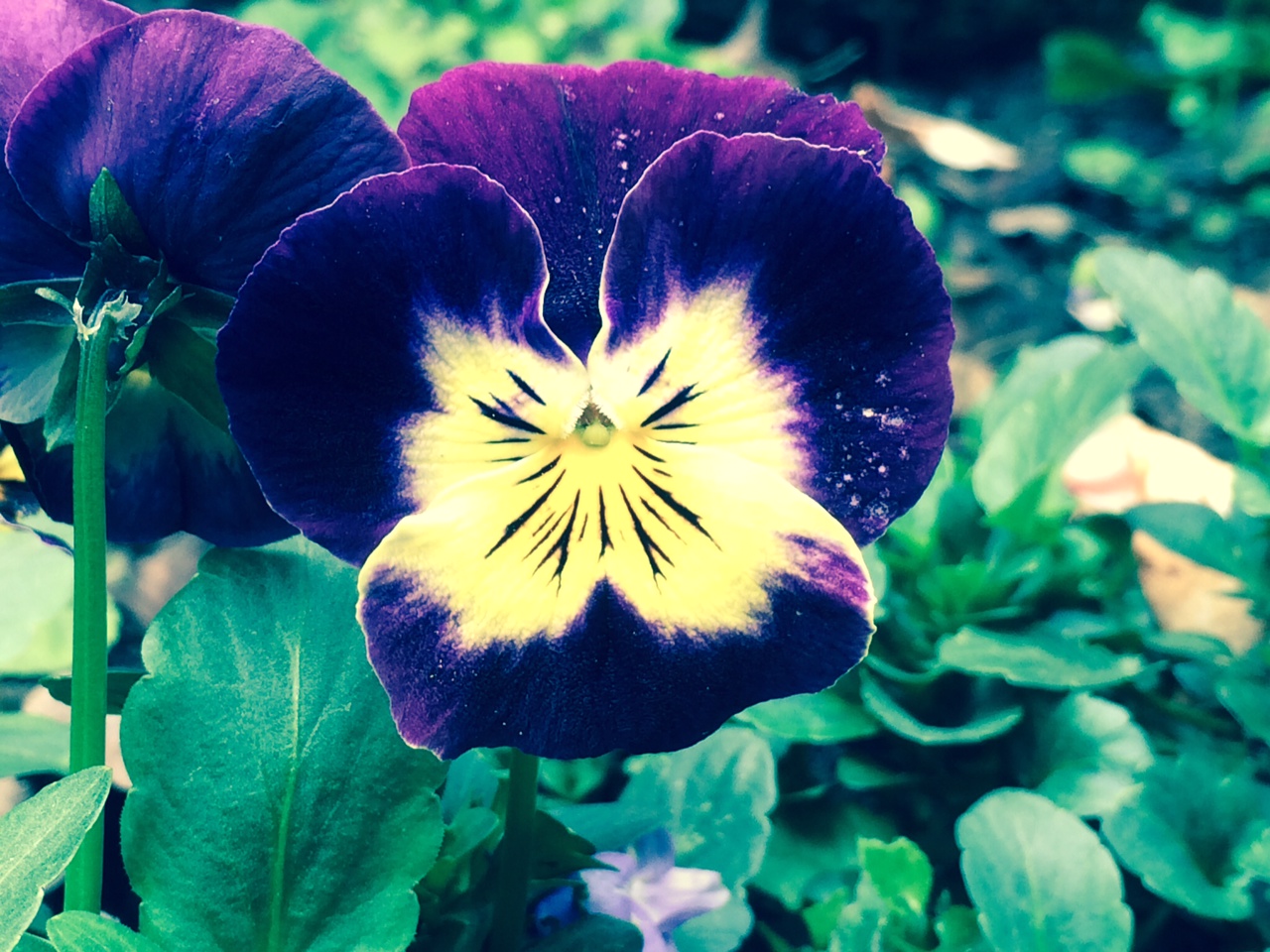
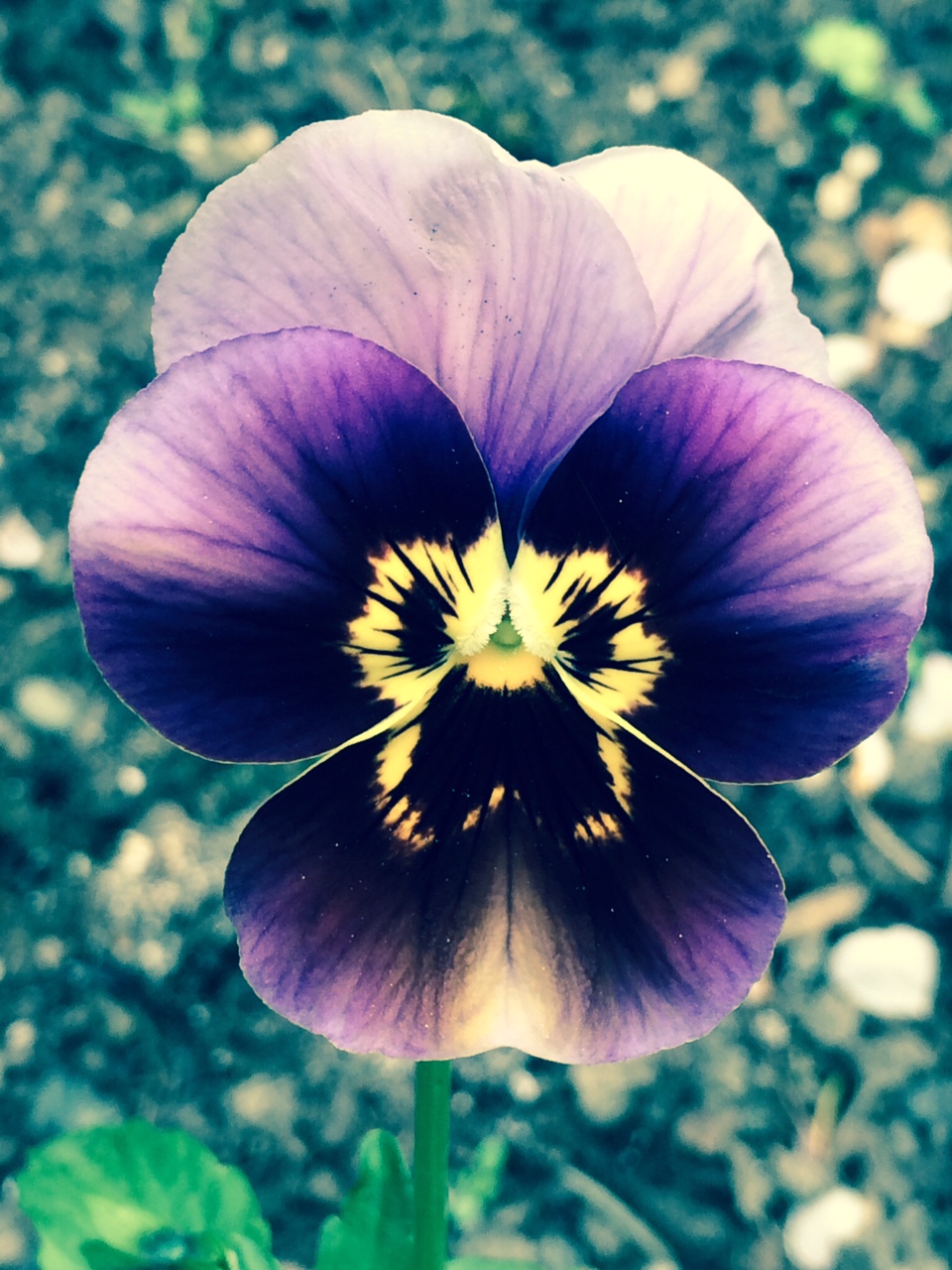
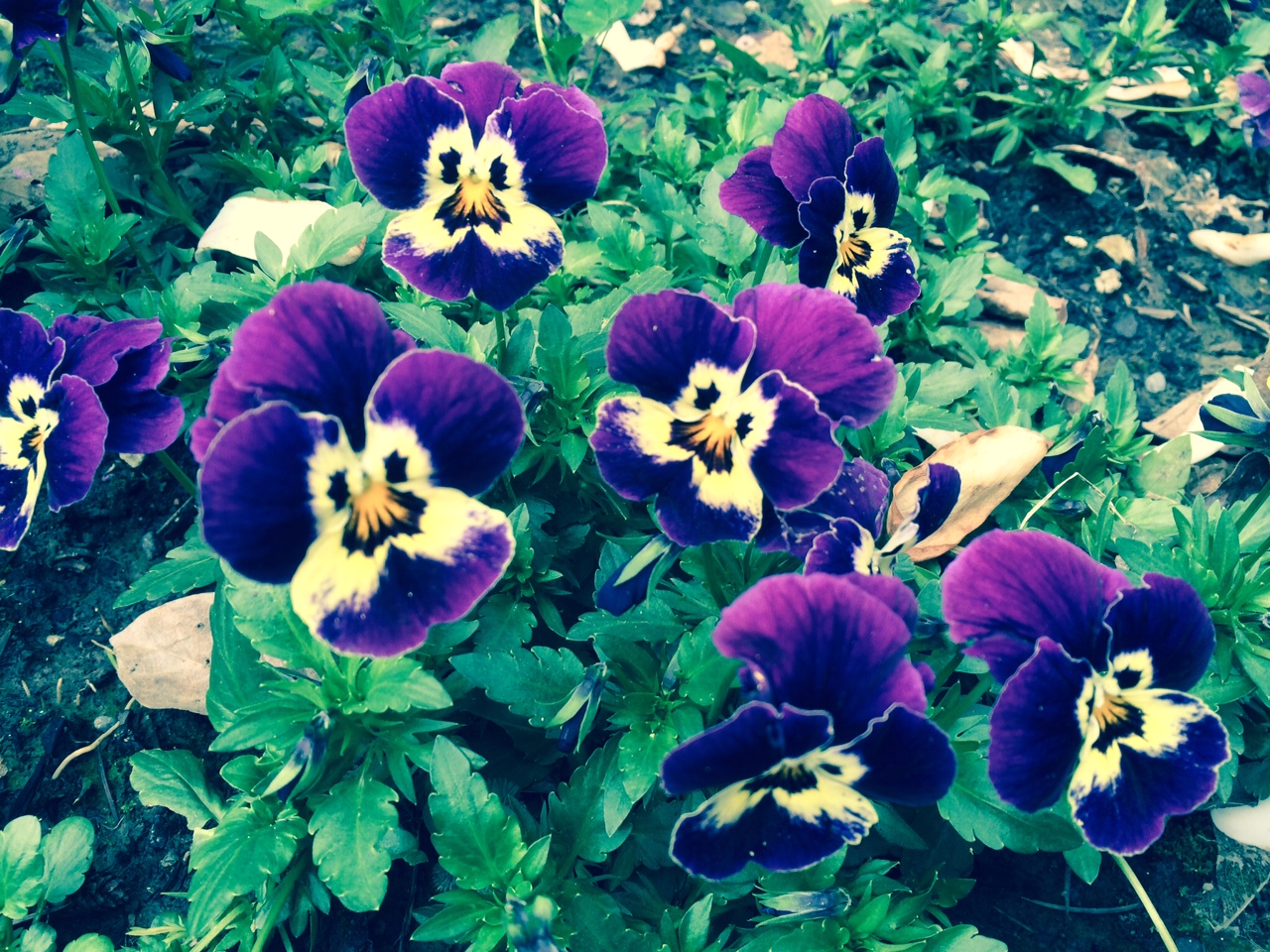
This week I thought I would show pictures of the Historic Florist pansies I grew from seed.  The top photo is of my pansy bed; the others show the diversity of blooms and colors of antique pansies.  The flowers are fragrant and almost all of the blooms have a “face”.  More information is available in my first blog on this WordPress site, which describes the origin of pansies in England during the 1830s.

This week I am moving to Montana from Oregon, so this blog is one day late and quite brief.  I will manage a new organic nursery and greenhouse—a new division of Westland Seed, Inc., Ronan, Montana.

Happy growing!

April Gardening Calendar

Standard

photo (133)

April is another busy month for gardeners; usually a month characterized by ups and downs in temperature.  Keep watch for frosts; protect cold frames with mats if frosts are imminent, and admit air daily as weather permits.  Finish pruning fruit trees if not done, plant grapes; fertilize and prune blackberries.  Check your fruit trees and roses for pests as soon as they bud and leaf out and set out apple pest traps two weeks before bud break.  Weed and amend all your beds now while it is cool and moist.

Finish planting fruit trees, shrubs, roses, and perennials.  This month is a good time to direct sow (where they are to flower)seeds of several flowers: sweet alyssum, cornflowers, carnations, pinks, poppies, stocks, rose campion, Lychnis, columbines, valerian, honesty, foxglove, snapdragons, mignonette, larkspur, kiss-me-by-the-garden-gate and four-o’clocks.  Perennials still may be divided if weather has not become too warm.  Violets can be divided after blooming and cuttings taken of pansies.  Make cuttings of chrysanthemums, gauras, Helianthus, lupines, Lychnis, Liatris, knautias, saponarias, scutellarias and veronicas.  Dahlias and tigridias may be started inside in cold climates and planted out later after frosts are over, or planted outside if the soil temperature is above 60 degrees F.

Several vegetables can be direct sown if weather permits and it is not too cold: beets, arugula, carrots, caraway, celery, chervil, chives, cilantro, dill, fennel, collards, mache, fava beans, cress, kale, Jerusalem artichokes, kohlrabi, leeks, lettuce, mustard greens, rhubarb, turnip greens, onions, pasley, parsnips, peas, potatoes, radishes, salsify, scallions, spinach and Swiss chard.  Sunflowers and tomatillos can be sown two weeks before the last expected frost.

Corn may be sown after April 15th in cool maritime northwest climates, or a week or two later in the inland and mountain areas.  Usually corn is sown about 10 days to two weeks before the last frost.  Native Americans of the Hidatsa tribe living in the Dakotas planted sunflowers first, then corn, and after frosts followed with beans and finally, squash.  Sunflowers were grown by themselves in a field, but corn, beans and squash were grown together; with corn in hills of 6-8 and beans and squash vining through.

Vegetables started last month indoors may be planted out this month: the brassicas, parsley, Asian greens, rhubarb and tomatoes; once frosts are over.

Prune established roses before bud break and seal the cuts with water-based glue or wood glue.  This prevents drilling wasps from injuring the canes.  Fertilize organically with Epsom salts, manure or compost, bone meal or rock phosphate, alfalfa meal and seaweed or wood ashes.

A few things maybe grafted now: grapes, hollies, pears, maples, pines and clematis.  Layers can be made of Cotoneaster, Cotinus, Hydrangea, Lavandula, Lonicera and Parthenocissus. 

Enjoy spring!